
Gree Mood Project
Place-Based Youth Work for Belonging, Resilience and Local Action
A proposed Erasmus+ KA153-YOU initiative in development

ROOTED
Sustainable tourism development guidelines and management practices are applicable to all forms of tourism in all types of destinations, including mass tourism and the various niche tourism segments. Sustainability principles refer to the environmental, economic, and socio-cultural aspects of tourism development, and a suitable balance must be established between these three dimensions to guarantee its long-term sustainability.
Thus, sustainable tourism should:
Make optimal use of environmental resources that constitute a key element in tourism development, maintaining essential ecological processes and helping to conserve natural heritage and biodiversity.
Respect the socio-cultural authenticity of host communities, conserve their built and living cultural heritage and traditional values, and contribute to inter-cultural understanding and tolerance.
Ensure viable, long-term economic operations, providing socio-economic benefits to all stakeholders that are fairly distributed, including stable employment and income-earning opportunities and social services to host communities, and contributing to poverty alleviation.
Sustainable tourism development requires the informed participation of all relevant stakeholders, as well as strong political leadership to ensure wide participation and consensus building. Achieving sustainable tourism is a continuous process and it requires constant monitoring of impacts, introducing the necessary preventive and/or corrective measures whenever necessary.
Sustainable tourism should also maintain a high level of tourist satisfaction and ensure a meaningful experience to the tourists, raising their awareness about sustainability issues and promoting sustainable tourism practices amongst them.
Phuket Papers
No post found!

Phuket: Executive Summary & Conceptual Framework
Executive Summary Phuket Province presents one of the most acute examples in Southeast Asia of…

Phuket, Destination and Territorial Profile
Chapter 4: Destination and Territorial Profile Phuket Province represents a highly dynamic, bounded island ecosystem…
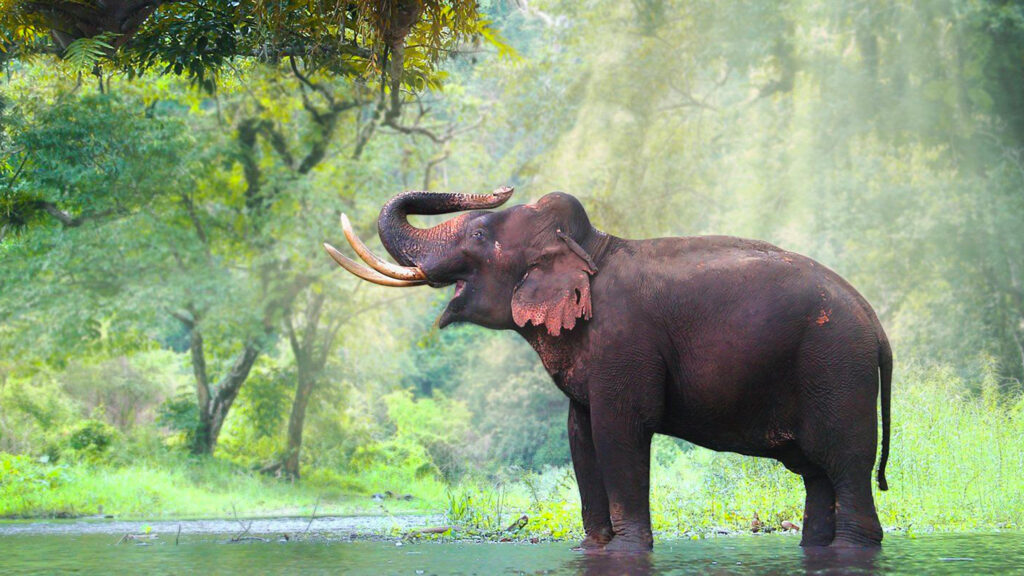
Phuket, Natural Capital and Biodiversity
Phuket’s natural environment is the primary productive asset underpinning its identity and economic value as…

Phuket, Marine and Coastal Systems
Phuket’s marine and coastal environments represent the central operational interface of its tourism economy. Western…
Phuket, Climate Change and Destination Resilience
As an island destination, Phuket is directly exposed to the impacts of global climate change….

Phuket, Water Security and Management
Freshwater availability represents one of the most critical ecological limits to growth for Phuket. The…