
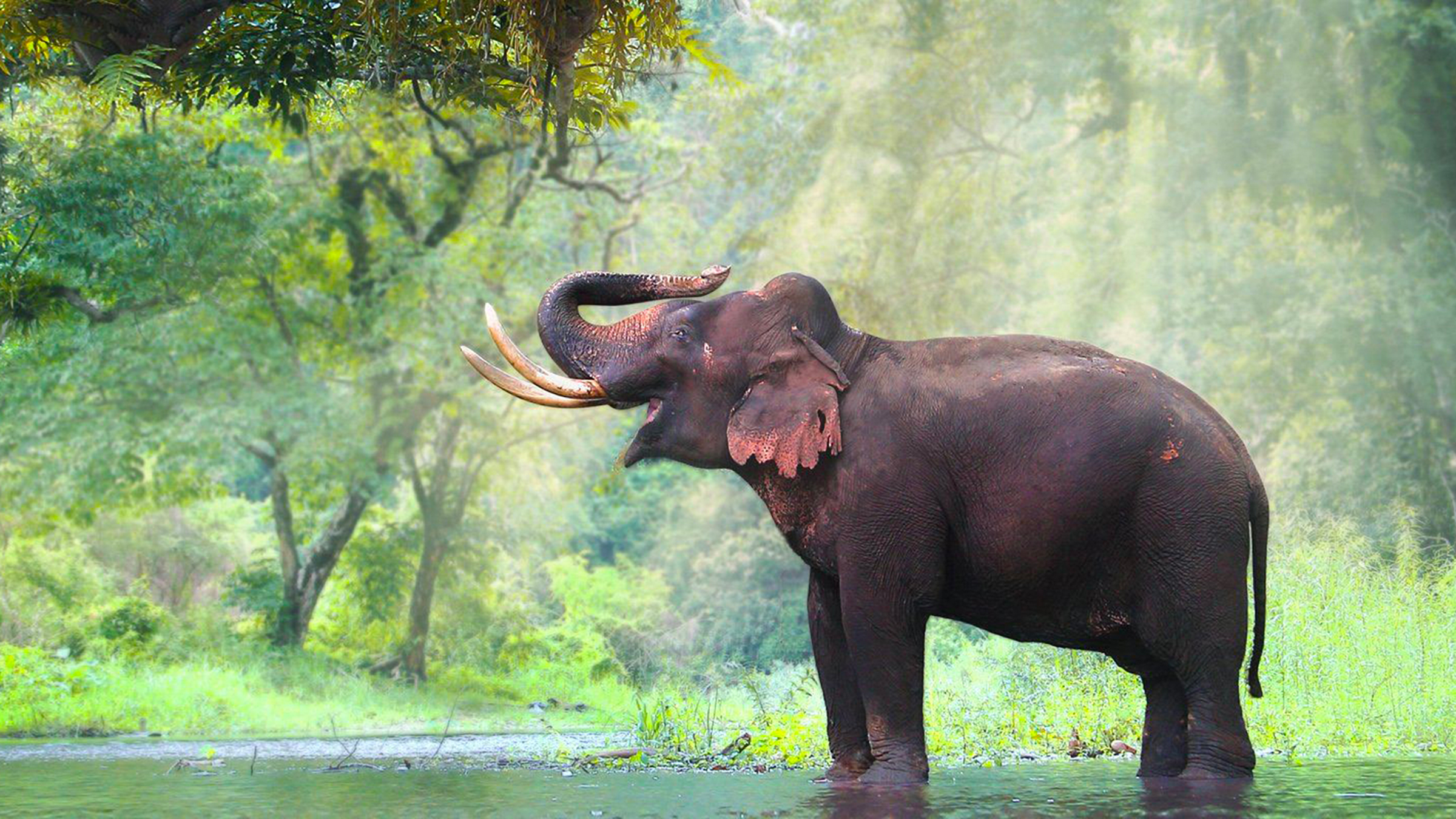
Phuket, Natural Capital and Biodiversity
Phuket’s natural environment is the primary productive asset underpinning its identity and economic value as a tourism destination. Far from being a static backdrop for resort development, the island’s marine, coastal, and terrestrial ecosystems deliver vital regulatory, protective, and cultural services. Understanding the condition and functioning of this natural capital is essential for long-term destination resilience.
5.1 Terrestrial Ecosystems and Forest Cover
Phuket’s original terrestrial landscape was dominated by tropical lowland evergreen rainforest. Decades of land transformation—first for tin mining and rubber agriculture, and later for urbanisation and tourism real estate—have severely fragmented this original forest cover.
Today, primary forest cover is largely restricted to protected interior hills and northern reserves:
- Khao Phra Thaeo Non-Hunting Area: Covering approximately 22.3 km² in Thalang District, this is Phuket’s last remaining virgin lowland rainforest. It serves as a critical watershed catchzone for the island, harbouring endemic flora such as the rare White Elephant Palm (Kerriodoxa elegans) and providing refuge for native mammal and bird populations.
- Sirinat National Park (Terrestrial Zone): Spanning 90 km² (of which 68 km² is marine), the terrestrial boundary protects remnant coastal pine forests (Casuarina equisetifolia) and beach vegetation along Mai Khao and Nai Yang beaches, forming a vital natural barrier against wind erosion and coastal storm surges.
- Forest Fragmentation: Outside protected zones, remnant forests exist as isolated hilltop patches. This fragmentation restricts biological corridors, reduces habitat resilience, and increases vulnerability to landslides and slope destabilisation during severe monsoon rain events.
5.2 Marine and Coastal Ecosystems
Phuket’s surrounding marine ecosystem in the Andaman Sea is a biodiversity hotspot characterised by high habitat heterogeneity. These coastal systems directly drive the island’s tourism appeal while providing shore protection.
Fringing Coral Reefs
Phuket is surrounded by extensive fringing reefs covering an estimated 2,000+ hectares across coastal shallow waters and satellite islands (such as Ko Racha Yai, Ko Racha Noi, and Ko Hae). Key reef-building hard corals include Porites, Acropora, Pocillopora, and Favia.
Mangrove Forests
Extensive mangrove networks are concentrated along the sheltered eastern coast of Phuket (e.g., Bang Rong, Pa Klok, and Phuket Town estuaries), covering approximately 2,200–2,500 hectares. Key species include Rhizophora mucronata, Rhizophora apiculata, and Avicennia marina.
Seagrass Beds
Seagrass meadows (primarily Enhalus acoroides and Halophila ovalis) occur in shallow sheltered bays, notably around Pa Klok on the northeast coast and Chalong Bay. They act as essential nursery grounds for commercial fish species and critical foraging habitats for threatened marine megafauna.
5.3 Flora and Fauna of Conservation Concern
Despite heavy development pressures, Phuket’s marine and terrestrial environments continue to support species classified as vulnerable, endangered, or critically endangered under the IUCN Red List.
| Species / Group | Ecological Status | Local Habitat / Location in Phuket | Destination & Ecological Significance |
| Sea Turtles (Leatherback, Olive Ridley, Green Turtle) | Vulnerable / Endangered | Nesting beaches along Mai Khao, Nai Yang, and Bang Tao (Sirinat National Park) | High cultural and conservation value; nesting activity is an indicator of beach health, low light pollution, and quiet coastal conditions. |
| Dugong (Dugong dugon) | Vulnerable | Seagrass beds off the northeast coast (Pa Klok / Phang Nga Bay interface) | Flagship marine conservation species; highly sensitive to vessel strikes, noise, and seagrass degradation. |
| White Elephant Palm (Kerriodoxa elegans) | Endangered (Endemic) | Lowland rainforest in Khao Phra Thaeo Non-Hunting Area | Endemic palm genus unique to Phuket and adjacent mainland; significant botanical and ecotourism value. |
| Gibbons (Hylobates lar) | Endangered | Interior rainforest (Khao Phra Thaeo) | Reintroduced via conservation programmes; ecological seed dispersers maintaining forest canopy health. |
| White-Bellied Sea Eagle (Haliaeetus leucogaster) | Least Concern (Locally threatened) | Coastal cliffs, satellite islands, and mangrove estuaries | Apex avian predator indicating coastal ecosystem productivity and food chain stability. |
5.4 Ecosystem Services Supporting the Visitor Economy
The natural systems of Phuket provide tangible economic benefits that directly support both local livelihoods and the hospitality sector:
- Wave Attenuation and Shore Protection: Healthy coral reefs and coastal pine forests absorb up to 90% of incoming wave energy during monsoon storms, preventing severe beach erosion and protecting multi-million-dollar beachfront properties.
- Freshwater Retention and Microclimate Control: Forested watersheds in Khao Phra Thaeo capture monsoon rainfall, feeding island reservoirs and cooling local ambient temperatures, counteracting the urban heat island effect.
- Biological Water Filtration: Mangroves and seagrass beds filter terrestrial sediment, excess nutrients, and urban runoff before it reaches coastal waters, maintaining water clarity required for swimming and diving tourism.
- Fisheries and Culinary Capital: Coastal wetlands act as breeding grounds for fish, crabs, and prawns that supply Phuket’s renowned local seafood gastronomy.
Biodiversity loss in Phuket is therefore not merely an ethical or conservation concern—it represents a direct degradation of the destination’s primary economic capital.