
Sustainable Destination Professional Pathway
Building a new generation of professionals for sustainable tourism
The future of tourism depends on people who can do more than promote places.
It requires professionals who can understand a territory, connect its resources, develop a coherent destination offer and design how that destination is positioned and communicated in the sustainable tourism market.
Coolvoyage Destinations is developing a progressive professional pathway based on three complementary profiles:
EXPLORE → DEVELOP → DESIGN
Each level builds a distinct set of competences, moving from territorial knowledge to destination development and, ultimately, to the design of a destination’s presence in the global sustainable tourism market.

LEVEL 1
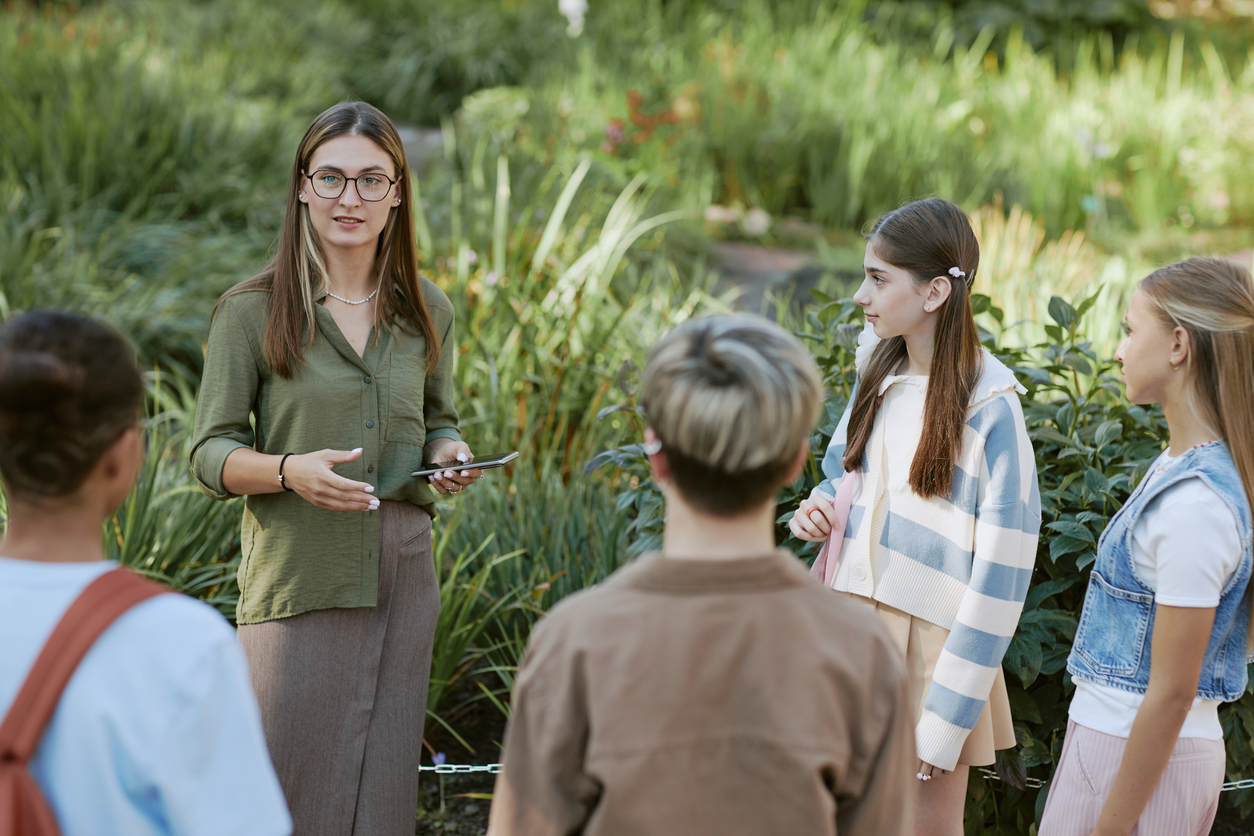
Sustainable Destination Explorer
Explore the territory. Discover its potential.
A Sustainable Destination Explorer learns how to read a territory as a living system.
A destination is not simply a collection of attractions. It is made up of landscapes, communities, cultural heritage, local businesses, traditions, food, crafts, mobility, services, knowledge and stories.
The Explorer identifies these resources and investigates how they contribute — or could contribute — to a sustainable tourism ecosystem.
Core competences
- Territorial research and observation
- Mapping of natural and cultural assets
- Identification of local products, traditions and experiences
- Stakeholder mapping
- Understanding local communities and identities
- Analysis of mobility, accessibility and services
- Identification of underused or emerging territorial resources
- Understanding the principles of sustainable and slow tourism
Professional outcome
I can identify, analyse and map the resources, stakeholders, identity and sustainable tourism potential of a territory.
Learning output
Sustainable Destination Resource Map
The Explorer produces a structured map of the resources and actors that can contribute to the sustainable development of a destination.
LEVEL 2
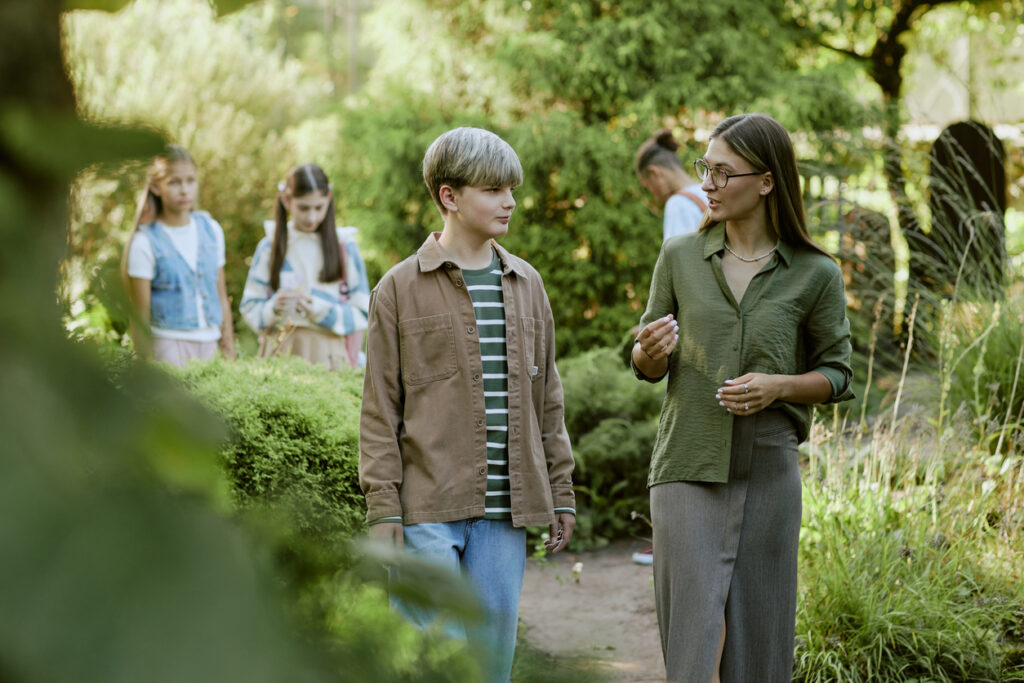
Sustainable Destination Developer
Connect the resources. Build the destination.
The Sustainable Destination Developer moves from understanding the territory to putting its resources into a system.
A territory may already have outstanding food, landscapes, heritage, crafts, accommodation, cultural initiatives and local businesses. But individual resources do not automatically create a destination.
The Developer learns how to connect them.
The objective is to transform fragmented territorial assets into an integrated destination proposition capable of generating value for local communities while offering meaningful experiences to sustainable and slow travellers.
Core competences
- Territorial resource integration
- Stakeholder engagement
- Local network development
- Community involvement
- Sustainable tourism experience development
- Slow tourism itinerary development
- Integration of culture, environment, food, crafts and local economies
- Visitor experience design
- Identification of appropriate visitor segments
- Assessment of community and environmental benefit
- Collaborative destination development
Professional outcome
I can connect territorial resources, communities and stakeholders to develop an integrated sustainable tourism destination offer.
Learning output
Sustainable Destination Proposition
The Developer transforms the territorial resources identified during the exploration phase into a coherent, sustainable and market-relevant destination proposition.
LEVEL 3
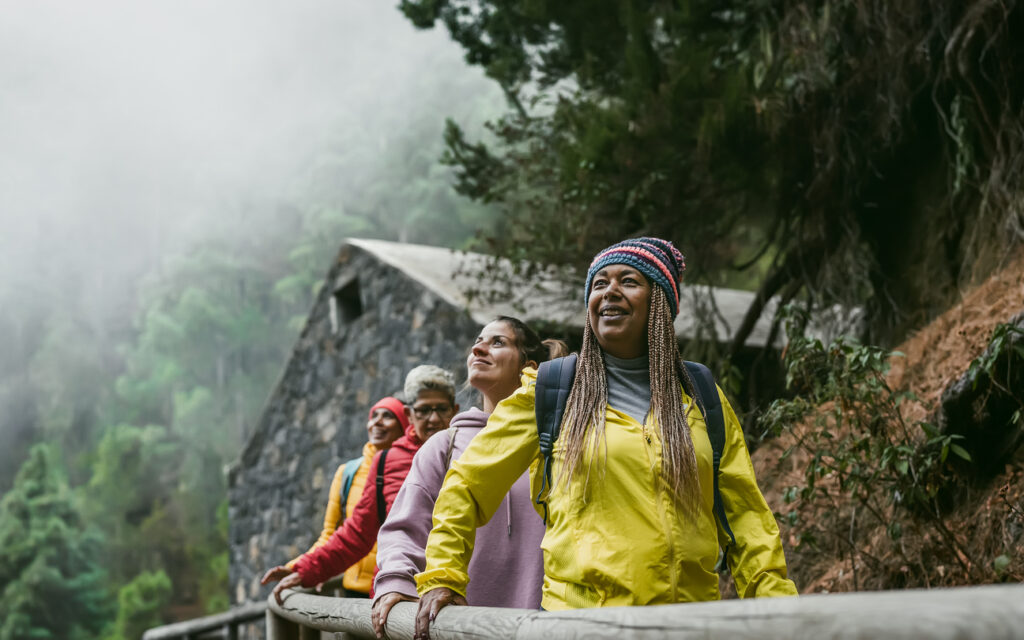
Sustainable Destination Designer
Design the destination’s presence in the global market.
The Sustainable Destination Designer takes the next step.
Once a territory has been understood and its resources have been transformed into an integrated destination proposition, the challenge becomes:
How should this destination be positioned, represented and communicated in the global sustainable tourism market?
The Designer combines destination knowledge with digital marketing, communication, branding, storytelling and market intelligence.
The objective is not simply to “promote” a destination.
It is to design the way the destination enters the market — defining its identity, audiences, positioning, narrative, digital presence and communication strategy.
Core competences
- Sustainable tourism market analysis
- Target market and audience identification
- Destination positioning
- Destination value proposition
- Brand and identity development
- Digital marketing strategy
- Content strategy
- Territorial and editorial storytelling
- Visual communication
- Website and digital ecosystem planning
- Social media strategy
- SEO and digital discoverability
- Digital campaigns
- Analytics and performance measurement
- Responsible communication and prevention of greenwashing
- Use of emerging digital and AI tools
Professional outcome
I can design the positioning, identity and digital communication strategy of a destination for the global sustainable tourism market.
Learning output
Sustainable Destination Market & Communication Strategy
The Designer develops an integrated strategy connecting the identity and sustainable tourism offer of a territory with clearly identified international audiences and markets.
One pathway. Three professional levels.
The three profiles are not separate professions.
They represent three progressive levels of the same professional journey.
| Level | Professional Profile | Core Question | Outcome |
|---|---|---|---|
| 1 — EXPLORE | Sustainable Destination Explorer | What does this territory have? | Map its resources and potential |
| 2 — DEVELOP | Sustainable Destination Developer | How can these resources work together? | Build an integrated sustainable destination offer |
| 3 — DESIGN | Sustainable Destination Designer | How should this destination enter the global market? | Design its positioning and communication strategy |
EXPLORE → DEVELOP → DESIGN
Understand the territory.
Build the destination.
Design its place in the global sustainable tourism market.
From European mobility to advanced professional development
Coolvoyage Destinations intends to develop the three levels progressively through European cooperation and non-formal learning:
KA153-Y — Sustainable Destination Explorer
International youth mobility as the environment for discovering, observing, comparing and understanding territories.
KA210-Y — Sustainable Destination Developer
Small-scale European partnerships as laboratories where young people learn how to connect territorial resources and develop integrated sustainable destination propositions.
KA220 — Sustainable Destination Designer
Advanced European cooperation bringing together destination development, sustainable tourism, digital marketing, communication and market expertise to create a higher-level professional learning pathway.
In other words:
KA153 teaches them to see the territory.
KA210 teaches them to build the destination.
KA220 teaches them to design its presence in the market.
The vision
Our ambition is to contribute to the development of a new generation of European destination professionals.
Professionals who understand that sustainable tourism does not begin with a marketing campaign.
It begins with the territory.
First understand it. Then connect it. Then take it to the world.