
1. Why Biodiversity Matters to a Tourism Destination
Biodiversity and Visitor Experience
Biodiversity shapes the visitor experience in Sardinia both directly and indirectly. Directly, it supports walking, wildlife observation, marine recreation, nature interpretation, birdwatching, educational activity, rural experiences and forms of tourism connected to farming, fishing, food and landscape.
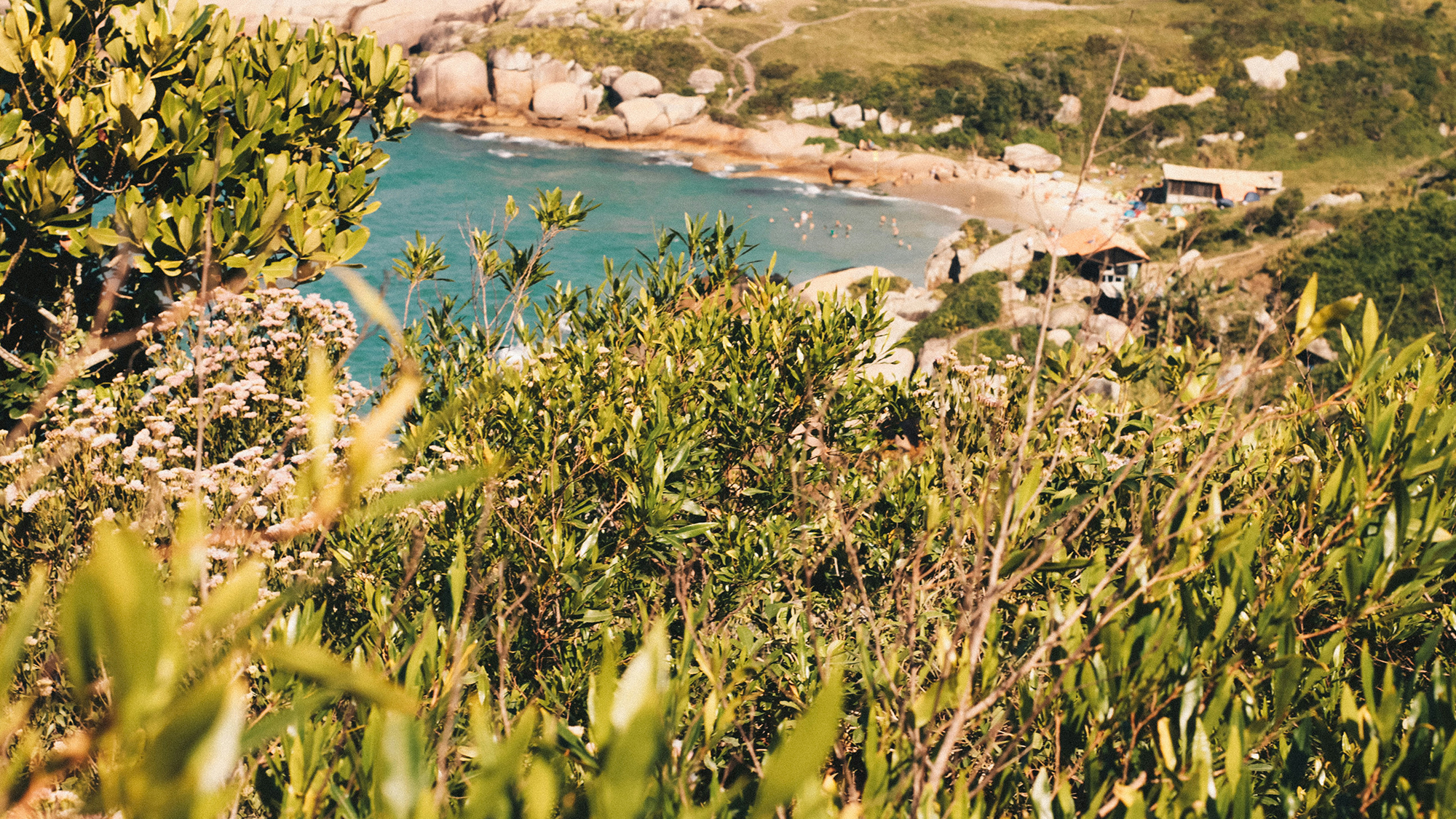
Indirectly, biodiversity contributes to the quality of place. Visitors may not identify the ecological processes behind a stable beach, clear coastal water, a functioning wetland, a forested hillside or a distinctive pastoral landscape. Yet these processes influence how a destination looks, feels and functions.
This is why biodiversity should not be treated as a list of species or as an optional environmental feature for destination marketing. It is part of the destination’s quality infrastructure.
A coastline of high ecological quality can support visitor confidence, recreational value and local identity. A well-maintained rural landscape can offer opportunities for walking, cycling, cultural interpretation and local food experiences. A healthy marine environment can support low-impact recreation, research, education and locally rooted business activity. These benefits depend on the integrity of ecosystems, not simply on the volume of visitors they attract.
This creates an important management obligation: not every ecological asset should be developed as a high-volume tourism product.
Some environments may require controlled access, seasonal closures, visitor booking, guided-only activity, zoning, mooring controls, restoration periods or no-access areas. Such measures should not automatically be interpreted as barriers to tourism. They may be necessary conditions for ensuring that tourism remains possible in the long term.
| Management tool | Purpose | Potential destination benefit |
|---|---|---|
| Advance booking | Regulate daily demand at sensitive sites | Reduces crowding and improves visitor experience |
| Seasonal restriction | Protect habitats during sensitive periods | Supports ecological recovery and reduces disturbance |
| Guided access | Improve interpretation and visitor behaviour | Creates skilled local employment and improves compliance |
| Zoning | Separate high-use, low-use and no-access areas | Balances access with ecological protection |
| Mooring management | Reduce anchoring damage to sensitive seabeds | Protects marine habitats while enabling controlled boating activity |
| Visitor codes | Communicate expected behaviour | Supports lower-impact use and shared responsibility |
| Monitoring | Track ecological and visitor-use conditions | Enables adaptive management rather than reactive intervention |
The principle is not that visitor access should be reduced everywhere. It is that access should be designed according to the ecological characteristics, vulnerability and management capacity of each place.
This distinction is important for Sardinia. A beach, marine protected area, wetland, forest track, archaeological landscape or rural village may each have different environmental sensitivities, resident uses, ownership arrangements and infrastructure limits. Uniform tourism-management measures are therefore unlikely to be effective.
A sustainable visitor experience should be judged not only by convenience, visual appeal or immediate satisfaction. It should also be judged by whether it supports ecological condition, respects local life, reduces avoidable resource use and contributes to the stewardship of the place being visited.
The strongest long-term tourism offer is not necessarily the one that maximises access at every site. It is the one that maintains the authenticity, ecological quality and social legitimacy of the destination over time.