Sardinia Destinations Papers

  • 10. Communities, Culture and Local Value

    Tourism as a Social and Territorial Economy Tourism is often described through aggregate expenditure, arrivals, overnight stays and employment. These measures are important, but they do not show how tourism affects different groups, places and livelihoods. A sustainable destination must ask not only how much value tourism generates, but who receives it, who carries the…

  • 9. Land Use and Tourism Development

    Coastal Planning, Land Consumption and Territorial Capacity Land use is one of the most consequential but often overlooked dimensions of sustainable destination development. Accommodation, roads, car parks, marinas, second homes, tourism facilities, commercial services and public infrastructure all occupy land and can alter landscapes, habitats, drainage patterns, mobility systems and the relationship between residents and…

  • 8. Mobility

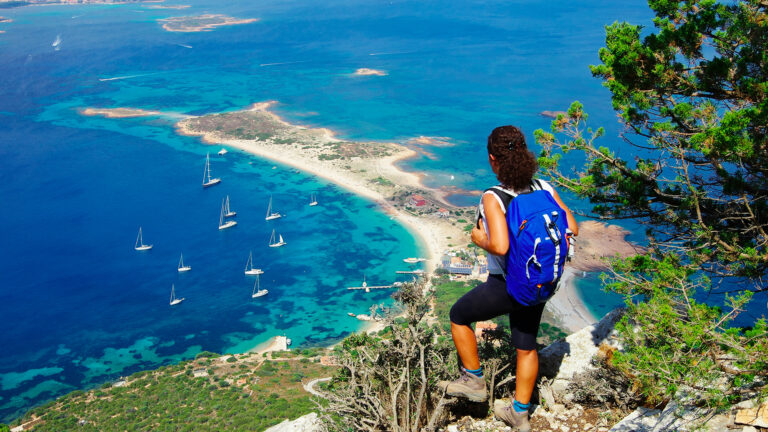
    Access, Car Dependence and Visitor Movement Mobility shapes how visitors enter Sardinia, move around the island and experience its landscapes, towns, beaches and protected areas. It also affects emissions, congestion, public-space quality, resident access to services, road safety and the viability of less-visited inland communities. As an island, Sardinia depends heavily on air and sea…

  • 7. Energy and Emissions

    Transition, Island Constraints and Tourism Demand Energy is integral to the sustainability and resilience of Sardinia’s visitor economy. Accommodation, restaurants, airports, ports, road transport, marinas, water systems, wastewater treatment, cooling, public lighting and digital services all depend on reliable energy. As temperatures rise and visitor demand remains concentrated in summer, energy use for cooling and…

  • 6. Waste and Circularity

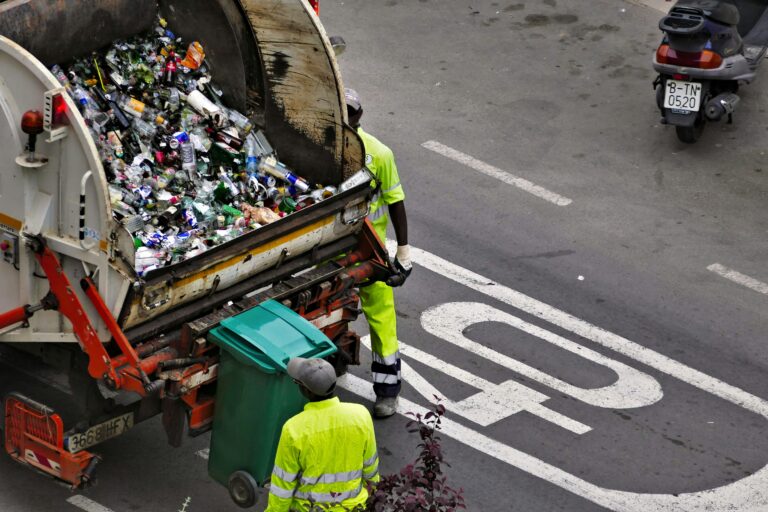
    Strong Collection Performance, Persistent Destination Challenges Waste management is a critical test of whether a tourism destination can translate high visitor demand into manageable environmental and public-service outcomes. In Sardinia, waste systems must serve permanent residents, seasonal workers, tourism businesses, second-home users, day visitors and visitors travelling through ports, airports and public spaces. The island…

  • 5. Water

    Seasonal Demand, Wastewater and Destination Resilience Water resilience depends on more than reservoir storage. It includes the condition of distribution networks, the reliability of supply, demand management, drinking-water quality, wastewater collection and treatment, drought preparedness, environmental flows and the capacity to respond when systems come under stress. For Sardinia, this is directly relevant to tourism…

  • 5. Water

    Water Security as a Destination-Management Issue Water is a strategic resource for Sardinia’s residents, agriculture, ecosystems, public services and visitor economy. It is also one of the clearest examples of why tourism cannot be managed separately from territorial and climate systems. Tourism increases demand for drinking water, sanitation, swimming pools, landscaping, food service, accommodation, cleaning…

  • Case Study 2

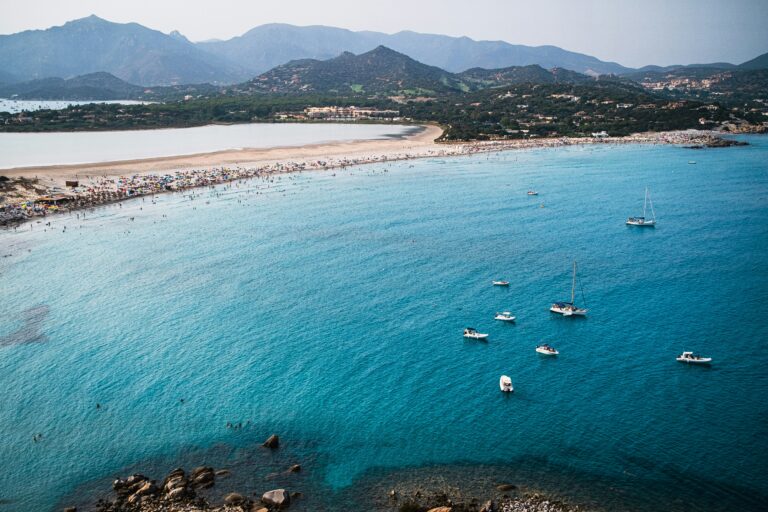
    Villasimius and Capo Carbonara: Climate Adaptation Through Nature-Based Coastal Management Location: Villasimius and the Capo Carbonara Marine Protected Area, south-eastern SardiniaTheme: Coastal erosion, biodiversity, climate adaptation and destination managementWhy it matters: The case demonstrates how a tourism-intensive coastal locality can explore climate adaptation through the restoration and protection of natural systems rather than relying only…

  • 4. Marine and Coastal Systems

    Coastal Resilience, Pollution and Adaptation Sardinia’s coasts are exposed to the combined effects of natural processes, climate change, coastal development and intensive seasonal use. Erosion, storm impacts, sea-level rise, marine warming, pollution, wastewater failures and habitat degradation can each affect beaches, dunes, ports, settlements, tourism facilities and public access. The management challenge is not to…

  • 4. Marine and Coastal Systems

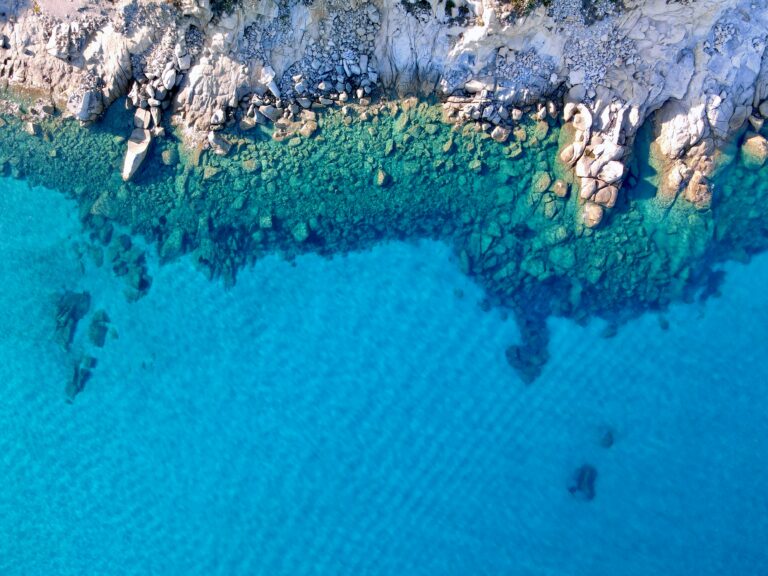
    Marine Protection, Boating and Recreational Pressure Sardinia’s marine environment is central to the island’s identity, visitor economy and ecological resilience. It supports swimming, sailing, diving, recreational fishing, boating, wildlife observation, coastal walking, local fisheries and a wide range of tourism businesses. It also contains habitats that can be damaged by cumulative recreational pressure if access…